
Every living thing on this planet evolved under the same lighting conditions: bright, blue-tinged light during midday that signals alertness and activity, warm amber tones at sunrise and sunset that ease transitions, and complete darkness at night that triggers rest and repair. Your body still runs on this ancient programming, producing hormones and regulating dozens of biological processes based on the light hitting your eyes.
But somewhere between inventing the lightbulb and binge-watching shows at midnight, we completely disconnected from these natural rhythms. We blast ourselves with the same harsh, cool-white light from morning coffee to bedtime scroll, then wonder why we feel tired all day but wired at night.
The disconnect isn’t just uncomfortable; it’s measurably affecting our health, sleep quality, mood, and cognitive performance. Here’s the thing though: your smart home can actually fix this. Not with supplements or complicated sleep protocols, but by doing what technology should have been doing all along, replicating the natural light patterns your biology expects.
That’s what circadian lighting is really about, and once you understand how it works, you’ll never look at your home’s lighting the same way again.
What Circadian Lighting Actually Means
Let’s cut through the marketing jargon. Circadian lighting (also called human-centric lighting) is simply automated light that changes color temperature throughout the day to match your body’s natural biological clock. Color temperature is measured in Kelvin, and it describes whether light appears warm (yellowish) or cool (bluish). Lower numbers like 2700K look warm and amber. Higher numbers like 5000K look cool and blue-white. Natural daylight at noon sits around 5500K to 6500K.
Your circadian rhythm, that internal 24-hour clock everyone talks about, is primarily controlled by light exposure through specialized cells in your eyes. These cells are particularly sensitive to blue wavelengths. When they detect blue light, they signal your brain to suppress melatonin (the sleep hormone), boost cortisol (the alertness hormone), and raise your core body temperature slightly. This makes you feel awake and focused. When blue light decreases and warmer tones dominate, the opposite happens. Your melatonin rises, cortisol drops, and your body starts preparing for rest.
The problem with traditional lighting is that it’s static. You pick a bulb with a fixed color temperature, and that’s what you get all day and all night. Most standard LED bulbs sit somewhere between 2700K and 3000K (warm white) or around 4000K to 5000K (cool white or daylight). Neither option serves your biology well throughout an entire day. You need dynamic lighting that shifts with your needs.
The Health Benefits Nobody Talks About
Most articles about circadian lighting focus on sleep improvement, and yes, that’s a huge benefit. But the health advantages extend way beyond just falling asleep faster. Research on circadian-aligned lighting has uncovered some pretty compelling effects across multiple areas of wellbeing.
Cognitive Performance
Cognitive performance actually improves with properly timed blue-enriched light during peak productivity hours. Studies show enhanced alertness, faster reaction times, and better memory formation when people work under cooler light temperatures (4000K to 6500K) during morning and midday hours. This isn’t just about feeling more awake; it’s measurable improvement in mental function.
Mood regulation
Additionally, mood regulation is enhanced when your light exposure aligns with natural patterns. Seasonal Affective Disorder research has demonstrated that light timing and color temperature significantly impact mood-regulating neurotransmitters like serotonin. Even if you don’t have clinical SAD, the principle applies. Proper morning light exposure can reduce irritability and improve overall mood stability.
Metabolic function
Interestingly enough, metabolic function responds to light patterns in ways we’re only beginning to understand. Your metabolism, digestion, and even glucose regulation follow circadian patterns influenced by light exposure. Disrupted circadian rhythms (like those caused by shift work or poor lighting) correlate with increased risk of metabolic disorders, weight gain, and diabetes.
The bottom line is this: lighting isn’t just about seeing things. It’s environmental medicine that’s either supporting your health or working against it every single day.
How Smart Home Systems Make This Possible
Here’s where smart lighting technology becomes genuinely useful rather than just convenient. Creating effective circadian lighting manually would mean constantly adjusting dimmers and changing bulbs throughout the day. Nobody’s doing that. But smart home automation in Longport, NJ and elsewhere can handle the entire process invisibly and consistently.
Modern smart lighting platforms like Lutron, Control4, and Savant can program color-tunable LED fixtures to automatically shift through different color temperatures based on time of day.
You set up the schedule once, and the system handles everything from there. The lights in your kitchen might automatically shift from 2800K at 6 AM (soft wake-up lighting) to 4500K by 9 AM (focused work lighting) to 3000K by 6 PM (relaxed evening lighting) to 2200K by 9 PM (preparing for sleep) without you touching a single switch.
The key is using fixtures and bulbs that support color temperature tuning. These typically contain both warm and cool LED chips that can be mixed in different ratios to create any color temperature within their range. Higher-end systems offer incredibly smooth transitions that you won’t even notice happening. The light just feels “right” throughout the day.
Integration with other smart home features amplifies the benefits. Your motorized shades can coordinate with interior lighting, opening to let in natural daylight when available and closing when interior lighting takes over. Your whole-home system can create scenes that adjust lighting, temperature, and even audio together for optimal morning energy or evening relaxation.
Programming Your Circadian Lighting Schedule
The science gives us a framework for effective circadian lighting, but the programming needs to match your actual life. Here’s a research-backed schedule that works for most people, though you can adjust based on your personal routines:
| Time of Day | Color Temperature | Purpose | Biological Effect |
| 6 AM – 8 AM | 2700K – 3500K | Gentle wake-up | Gradual cortisol rise, melatonin suppression begins |
| 8 AM – 12 PM | 4000K – 5000K | Peak alertness | Maximum cognitive performance, energy |
| 12 PM – 4 PM | 4500K – 5500K | Sustained focus | Maintained alertness, circadian peak |
| 4 PM – 7 PM | 3500K – 4000K | Transition period | Gradual shift toward evening mode |
| 7 PM – 9 PM | 2700K – 3000K | Relaxation | Melatonin production begins |
| 9 PM – Bedtime | 2200K – 2700K | Sleep preparation | Strong melatonin release, body temp drops |
The transitions between these phases should be gradual, taking 30 to 60 minutes rather than sudden jumps. Your smart home system can automate these smooth transitions so you never experience jarring changes.
Room-by-room programming makes sense for different use cases. Your home office might maintain cooler, more alerting temperatures during work hours, while your bedroom follows a schedule that prioritizes evening relaxation and morning gentleness. In the same way that motorized blinds in Philadelphia can adapt to your schedule, the lighting of our living spaces can strike a middle ground that supports whatever activity is happening there.
Practical Implementation Strategies
Getting started with circadian lighting doesn’t mean ripping out every fixture in your house. Strategic implementation in key areas delivers most of the benefits without overwhelming complexity or cost.
Start with spaces where you spend the most time and where lighting most impacts your day. These typically include:
- Bedroom lighting creates the foundation for both quality sleep and energized mornings through proper evening dimming and gradual morning brightening
- Kitchen and primary living areas support daily rhythms with alerting morning light that transitions to relaxed evening ambiance as the day progresses
- Home office lighting directly impacts productivity through optimized color temperature during focused work hours with reduced blue light during breaks
Color-tunable recessed lights work well for general illumination in these spaces. They provide even, architectural lighting that can shift through the full range of color temperatures. Combine these with dimmable fixtures for maximum flexibility.
For areas where circadian programming is less critical (like hallways, closets, or garages), standard LED fixtures at appropriate fixed temperatures work fine. Not every light needs to be smart or color-tunable. Focus your investment where it matters most.
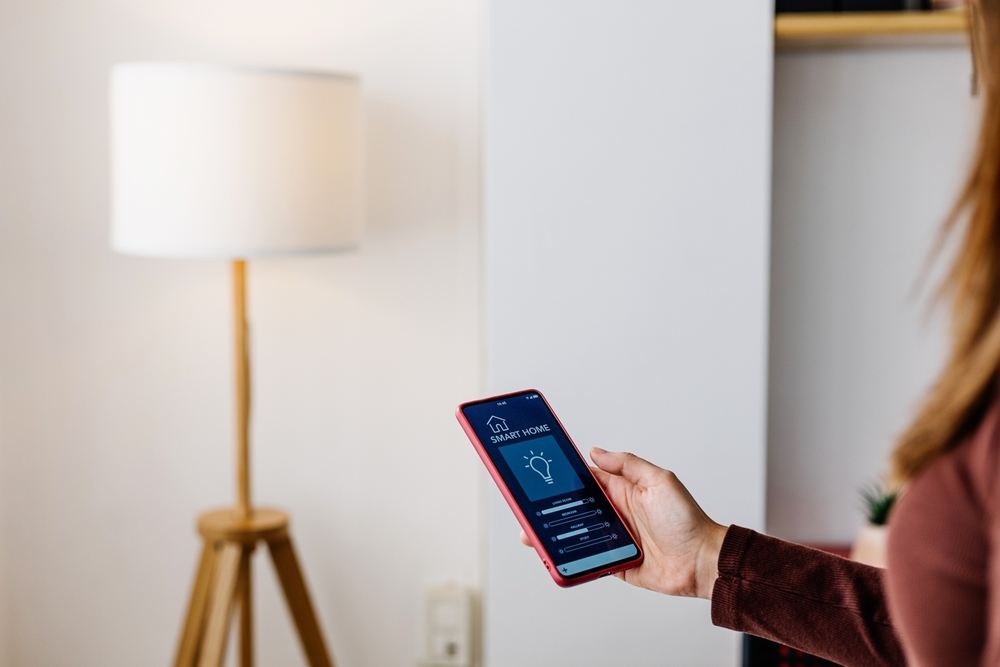
The control interface matters too. While smartphone apps work, they’re not ideal for everyday use. Nobody wants to pull out their phone just to turn on lights. Physical keypads in convenient locations combined with voice control through systems like Josh AI or Amazon Alexa provide much better user experience. The automation should happen invisibly most of the time, with manual overrides available when needed.
Balancing Natural and Artificial Light
The absolute best source of circadian-regulating light is still natural daylight. No artificial lighting perfectly replicates the full spectrum and intensity of sunlight. Smart circadian lighting works best as a complement to natural light rather than a replacement.
This is where integrating motorized shading with your lighting system becomes powerful. During morning and midday hours when natural light is beneficial, your shades can be programmed to open, allowing that high-quality blue-enriched daylight into your spaces. Your artificial lighting can dim or turn off entirely, saving energy while delivering superior circadian benefits.
As afternoon transitions to evening, shades can partially close to reduce glare while still admitting some natural light. Then as sunset approaches and you want to wind down, shades close fully and your interior lighting takes over with warmer color temperatures that support melatonin production.
This coordinated approach means you’re maximizing exposure to beneficial natural light when it’s available while using artificial lighting to extend and optimize those patterns when natural light isn’t sufficient or appropriate.
Common Mistakes to Avoid
The most frequent mistake people make with circadian lighting is inconsistency. Setting up a beautiful automated schedule doesn’t help if you override it constantly or if your evening screen time blasts you with blue light right before bed anyway. The lighting system can only do its job if you let it.
Another common issue is wrong intensities. Color temperature matters, but so does brightness. Even warm-toned light at high intensity can disrupt sleep if you’re using it late at night. Your evening lighting should be both warm (2700K or lower) and dim (30% brightness or less in living spaces, even lower in bedrooms).
Some people program transitions that are too abrupt. If your lights suddenly jump from 5000K to 2700K at 7 PM sharp, you’ll notice the change and it feels artificial. Gradual transitions over 30 minutes to an hour feel natural and unobtrusive.
Finally, failing to account for different family members’ schedules creates friction. If one person wakes at 5 AM and another at 8 AM, your bedroom lighting schedule needs to accommodate both. Zone control and individual overrides solve this problem.
Quick Answers to Common Questions
How long does it take to notice benefits from circadian lighting?
Most people report improved evening relaxation within a few days and better morning alertness within one to two weeks. Sleep quality improvements typically become noticeable after two to three weeks of consistent use as your body re-establishes natural rhythms.
Can circadian lighting help with jet lag or shift work?
Absolutely. You can manually adjust your lighting schedule to match your target time zone several days before travel or program alternative schedules for non-traditional work hours. The key is maintaining consistency once you set the new pattern.
Do I need special bulbs for circadian lighting?
Yes, you need color-tunable LED fixtures or bulbs that can adjust their color temperature. Standard bulbs with fixed color temperatures won’t work. Most quality smart lighting systems include or recommend compatible tunable white fixtures.
What about screens and phones ruining the effects?
Screen light, especially blue-rich phone and tablet displays after 8 PM, does counteract circadian lighting benefits. Using night mode settings, blue light filters, or simply reducing screen time in the evening helps protect the positive effects of your lighting system.
Is circadian lighting safe for children and pets?
Yes, it’s beneficial for all ages. Children particularly benefit from circadian-aligned lighting as their developing systems are highly responsive to environmental cues. Pets with normal vision also respond to light patterns, though their circadian cycles differ slightly from humans.
Making Circadian Lighting Part of Your Life
The beauty of properly implemented circadian lighting is that it becomes invisible. You stop thinking about your lights and just notice that mornings feel easier, afternoons feel more productive, and evenings feel naturally relaxing. Your home’s lighting fades into the background while quietly supporting your health and wellbeing every single day.
This isn’t about adding complexity to your life or constantly tweaking settings. It’s about using smart technology to restore something we lost when we started living under artificial lighting. Your body knows what it needs. Circadian lighting just gives it the environmental cues it expects.
The investment in quality color-tunable fixtures and proper integration pays dividends in daily comfort, better sleep, improved focus, and long-term health benefits that compound over months and years. It’s one of those upgrades that genuinely improves quality of life rather than just adding features.
Ready to Experience Better Living Through Better Lighting?
Elite Smart Home specializes in designing and installing comprehensive smart home systems that enhance every aspect of daily life, including advanced circadian lighting solutions. Our team understands how to integrate color-tunable lighting with motorized shades, whole-home control systems, and your daily routines to create environments that truly support your wellbeing.
Whether you’re building a new home or upgrading your current space, we’ll help you design a lighting system that works with your biology instead of against it. From selecting the right fixtures to programming schedules that match your lifestyle, we handle every detail of creating your ideal smart home environment.
Contact Elite Smart Home today for a free consultation. Let’s talk about how intelligent lighting design can transform not just how your home looks, but how you feel living in it.