
Setting up music throughout your house should be an exciting upgrade, but with dozens of speaker styles, wiring standards, and control interfaces on the market, it is easy to get bogged down in technical spec sheets. The right setup delivers crisp, immersive sound exactly where you want it without cluttering your living space with visible cables or clunky gear.
At Elite Smart Home, we help homeowners design custom sound setups that align with their daily routines, interior design preferences, and architectural layouts. Whether you want subtle ambient music on the back patio or a high-output listening room that captures every musical detail, this guide breaks down how to choose the ideal equipment for your property.
Defining Your Listening Zones
Before choosing equipment brands or speaker sizes, step back and examine how your family uses each room. A successful project starts by dividing your house into distinct “zones”—areas where you want independent volume control and source selection.
- Primary Entertainment Spaces: Great rooms, open kitchens, and finished basements usually require high-performance, multi-speaker configurations to fill large volume areas evenly.
- Secondary Comfort Spaces: Bedrooms, home offices, and primary bathrooms benefit from low-profile, background-style audio where clarity matters more than raw volume.
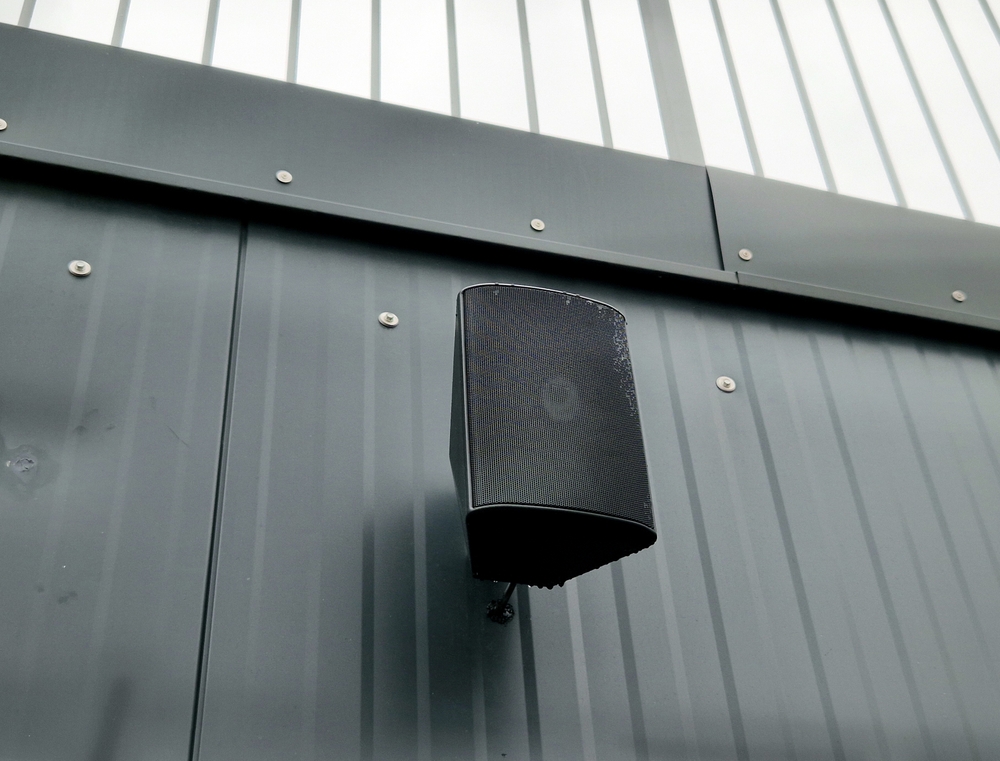
- Outdoor Spaces: Covered porches, decks, and pool areas require specialized outdoor equipment engineered to withstand damp salt air, temperature swings, and direct sunlight.
Identifying these zones upfront helps prevent under-powering large rooms or overspending on spaces where simple background audio is all you need.
4 Steps to Selecting Your Ideal Sound Setup
Once you have mapped out your listening zones, building a clean, high-performing music setup comes down to four practical decisions:
- Identify Your Primary Listening Goals
Decide how you plan to use your sound setup on a daily basis. If you want subtle background music during dinner parties, clean distributed audio across multiple rooms works best. If you are an avid music enthusiast looking for rich detail and deep bass, a dedicated two-channel stereo setup in a primary living area delivers the performance you want. - Match Speakers to Room Architecture
Every room presents unique acoustic conditions based on ceiling height, wall materials, and window placement. Open-concept living areas need wide-dispersion coverage, while smaller rooms require tighter sound projection. In-ceiling speakers keep sightlines clean in main living areas, while high-performance speaker systems in Margate, NJ work exceptionally well for coastal properties where indoor and outdoor entertaining areas blend together. - Select Your Audio Sources and Streaming Gear
Determine how you like to play your favorite tracks. Most modern setups rely on high-resolution streaming platforms, built-in airplay connections, or classic vinyl turntables. Working with Elite Smart Home allows you to consolidate all your physical playback devices and digital streaming services into a single, intuitive interface. - Plan Your Cable Infrastructure Early
Wireless speakers work fine for standalone rooms, but whole-house setups perform best with dedicated, hardwired connections. Running low-voltage audio cables behind walls during a remodel or new build prevents connection drops, avoids Wi-Fi network congestion, and keeps amplifier equipment hidden out of sight in a central utility rack.
Comparing Speaker Options by Room & Style
Different areas of your house demand different equipment configurations. Use this breakdown to see how popular speaker styles match up with room types, mounting options, and visual preferences:
| Speaker Style | Best Room Placement | Primary Advantage | Visual Impact |
| In-Ceiling Speakers | Kitchens, hallways, open living areas | Balanced room coverage without taking up floor or shelf space | Minimal (Flush-mount, paintable grilles) |
| In-Wall Speakers | Media rooms, primary suites, accent walls | Directional sound aimed directly at ear level for crisp dialogue | Low-profile (Frameless architectural grilles) |
| Bookshelf / Tower Speakers | Home offices, dedicated listening rooms | Exceptional sound clarity, precise stereo imaging, and rich mid-range audio | Visible decorative accent / furniture piece |
| Architectural / Outdoor | Covered patios, pool decks, landscaping | Weather-resistant housing built for damp coastal environments | Blends directly into foliage, hardscapes, or structures |
Acoustic Treatment and Room Tuning
Even top-tier speakers can struggle in rooms filled with hard, reflective surfaces like hardwood floors, large glass windows, and quartz countertops. High frequencies bounce off hard walls, creating harsh echoes and muddying soft vocal tracks.
- Acoustic Balancing: Strategic placement of soft furnishings, area rugs, window drapery, or hidden acoustic wall panels absorbs harsh reflection points and preserves audio clarity.
- Digital Room Calibration: Modern audio processors utilize calibration microphones to measure your room’s physical dimensions. The system automatically adjusts equalization curves to correct sound bounces and bass buildup before audio reaches your ears.
- Subwoofer Placement: Placing a subwoofer in a corner amplifies bass output, but it can also sound boomy. Placing subwoofers along mid-wall locations creates smoother, punchier low-end performance across every seating position.
Wired vs. Wireless: Managing Your Signal Infrastructure
A common question homeowners ask is whether they can rely entirely on wireless speakers. While table-top wireless units offer convenience for small apartments, a full-residence sound setup demands a solid structural foundation.
Wireless Ecosystems
Wireless tabletop units connect over Wi-Fi or Bluetooth. They are easy to plug in, but they occupy counter space, require nearby electrical outlets, and place heavy demands on your home network when multiple units stream simultaneously. If your Wi-Fi signal drops, your music stops.
Hardwired Architectural Audio
In-ceiling and in-wall speakers connect back to a central equipment rack via hidden speaker wire. This setup keeps living areas completely free of equipment clutter. All amplifiers and streaming receivers stay hidden in a closet or utility area, offering bulletproof connection stability and long-term durability.
Unifying Your System with Centralized Control
The highest quality equipment in the world will not get used if the controls are frustrating to operate. A proper multi-room setup links every zone together, giving you the power to play one playlist across the entire main floor during a party or stream different artists in individual bedrooms simultaneously.
When designing custom home audio in NJ, our team focuses on making daily operation effortless for every member of the household. Elite Smart Home integrates custom wall keypads, sleek touchscreens, and smartphone apps so you can adjust volume levels, switch music sources, or turn off every speaker in the house with a single tap.
Bringing Your Audio Vision to Life
A well-designed audio setup adds energy, comfort, and entertainment value to every square foot of your property. By matching the right speaker styles to your home’s architecture and anchoring everything with intuitive controls, you create an environment where music fits naturally into your daily routine.
If you are ready to explore options for your residence, contact Elite Smart Home today to schedule an initial consultation with our design team.