
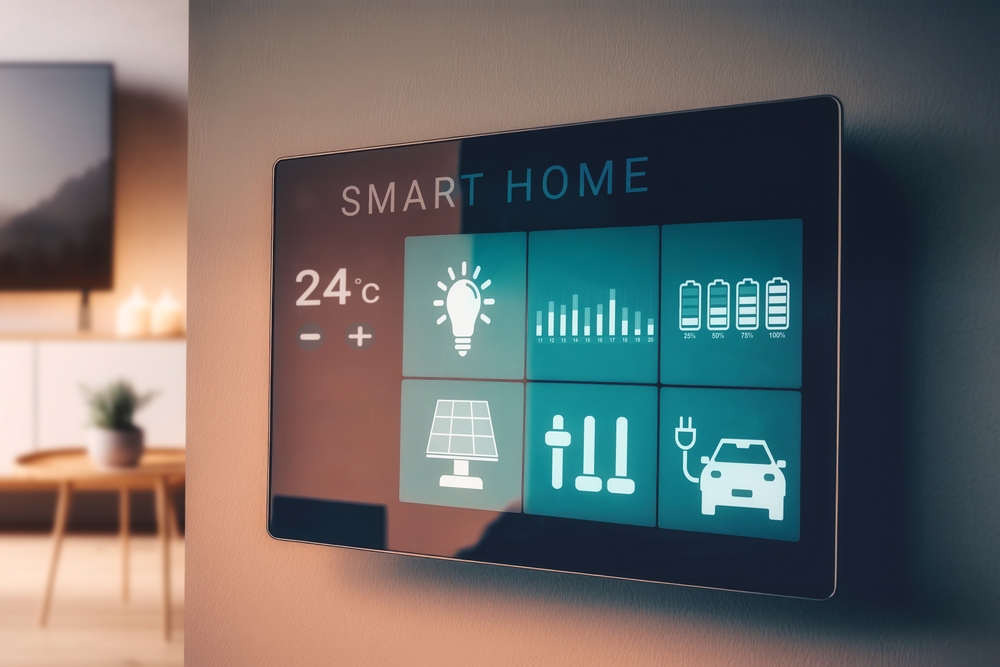
Home automation changes how you interact with your living space, adding specific layers of convenience and security to your daily routines. From lights that dim automatically when you start a movie to thermostats that adjust based on your schedule, the technology promises a life of ease. However, many homeowners hesitate to take the leap because pricing is notoriously difficult to pin down. The total price depends entirely on the quality of the system you choose. You might spend a few hundred dollars on fragmented smart plugs or invest in a cohesive luxury system that manages every aspect of your property.
This guide breaks down the real expenses involved so you can plan your renovation budget effectively. We will examine hardware prices, labor rates, and the hidden fees that often catch buyers by surprise. Understanding these variables helps you make informed decisions about which features provide the best value for your money. You will learn exactly what to expect when investing in a smarter, more connected home with a partner like Elite Smart Home.
Factors Influencing Total Project Cost
The price of home automation fluctuates significantly based on the scope of your project and the hardware selected. A single room setup costs far less than a whole-house system that connects lights, security, and climate control. The quality of components also plays a major role, as premium brands command higher prices for superior stability and longevity. Finally, the existing wiring in your house influences how much work is needed to get everything running smoothly.
New construction projects generally incur lower installation costs compared to retrofitting an existing home with smart technology. Running cables through open wall studs is much faster than fishing wires through finished drywall and insulation. If you are building from scratch, planning your automation infrastructure early can save thousands in labor expenses. Retrofitting often requires specialized wireless solutions or extensive patchwork to repair walls after wires are installed.
The level of integration you desire also dictates the final price tag of your automation system. A system where devices operate independently requires less programming than one where everything talks to a central hub. Complex logic, such as lights dimming automatically when a movie starts, requires professional configuration and testing. High-level integration offers a smooth experience, but it requires a significant investment in both time and expertise.
Why Professional Installation is the Smarter Investment
While off-the-shelf devices from big-box stores might seem appealing due to their lower upfront cost, they often lead to app fatigue and frustration. Homeowners frequently find themselves juggling five different apps just to turn off the lights and lock the doors. True home automation should simplify your life, not complicate it.
Choosing a professional installer like Elite Smart Home creates a unified experience where all devices work together flawlessly from day one. Integrators use robust control systems like Control4, Savant, or Crestron that require specialized programming not available to the general public. These systems allow for a single interface to control everything. You pay for the expertise and the certainty that your system will function correctly without constant tinkering.
Furthermore, the hardware used in professional installations differs significantly from consumer-grade gadgets. Professional gear is built to handle heavier network traffic and last longer than standard products. While a consumer hub might be cheaper, a professional automation controller is designed to maintain stability in a home with dozens of connected devices. Investing in a team like Elite Smart Home means investing in infrastructure that will not need to be replaced in a year.
Cost Breakdown by System Category
Smart Lighting and Climate Control
Smart lighting is often the entry point for many people because it is scalable. A full lighting overhaul for a standard home usually falls between $2,000 and $5,000 including professional installation. This goes beyond simple bulbs; it involves smart switches and keypads that can control entire scenes. Smart thermostats are another popular addition, typically costing between $150 and $300 per unit plus installation labor.
Automated window treatments represent one of the most expensive but impactful upgrades you can make to your home. Motorized shades typically cost between $500 and $1,500 per window depending on the fabric and motor type. For a home with twenty windows, this single category can easily add $15,000 to your total project budget. However, they offer significant energy savings and protect your furniture from sun damage, providing long-term value.
Audio and Entertainment
Multi-room audio systems are a luxury feature that significantly increases the total budget of an automation project. Hardwired architectural speakers designed for audiophiles involve cutting into drywall and running cables, driving costs higher but delivering superior sound.
A professionally installed whole-home audio system often starts at $5,000 and can climb well over $25,000 for large properties. If you are planning a speaker system installation in New Jersey, working with an experienced integrator is critical to getting sound that matches the price tag. Video distribution systems allow you to hide cable boxes and streaming devices in a central equipment rack. This setup cleans up your living areas by removing clutter, but it requires expensive matrix switchers and cabling. A video distribution system typically costs between $2,000 and $5,000 per video zone or TV location.
Outdoor Living Spaces
Extending your automation to the exterior of your home is a growing trend that adds value and enjoyment. This includes landscape lighting, weather-resistant televisions, and pool control. Because outdoor equipment must be weatherproof and durable, the costs are generally higher than indoor equivalents.
When budgeting for an outdoor entertainment installation in New Jersey, you must account for trenching cables and specialized mounting hardware. A basic patio audio setup might cost $1,500, while a full backyard theater with a specialized screen and surround sound can easily exceed $10,000. Investing in high-quality outdoor gear guarantees your system survives the changing seasons without failing.
Security and Surveillance
Security systems vary widely from simple video doorbells to complex networks of cameras monitoring every entry point. A basic video doorbell and smart lock combination might cost around $400 to $600 to purchase and install. Comprehensive systems with multiple outdoor cameras, motion sensors, and professional monitoring capabilities can easily exceed $3,000 to $6,000. Local storage options for video footage are becoming popular to avoid monthly cloud subscription fees. Setting up a Network Video Recorder (NVR) costs more upfront, usually between $300 and $1,000 for the hardware.
Labor Rates and Installation Fees
Labor is often the most underestimated part of a home automation budget when hiring a professional integrator. Most smart home professionals charge an hourly rate between $95 and $150 depending on your geographic location. Complex programming requires highly skilled technicians who may charge specialized rates for configuration. You should also anticipate potential costs for patching drywall or painting if walls need to be opened for wiring.
Some companies offer flat-rate packages for specific installations, which can help you manage your budget more predictably. However, custom whole-home systems are almost always billed based on time and materials due to their complexity. Always ask for a detailed estimate that separates hardware costs from labor hours to understand what you are paying.
Hidden Costs to Consider
Network Upgrades
Network upgrades are a hidden expense that frequently catches homeowners off guard. A standard ISP router rarely handles the traffic of fifty connected devices without slowing down or dropping connections. You may need to upgrade to a mesh Wi-Fi system or enterprise-grade network gear, costing $500 to $1,500. Stable internet is the backbone of a smart home, so this investment is non-negotiable.
Subscription Fees
Subscription fees can slowly drain your bank account if you are not careful. Many smart cameras, doorbells, and security systems require a monthly payment to access advanced features or cloud storage. These fees might seem small individually, but three or four subscriptions can add up to hundreds of dollars annually. Review the long-term costs of any device before committing to the hardware purchase.
Maintenance Contracts
Maintenance and service contracts are another factor to consider for professionally installed high-end automation systems. Unlike a standard light switch, smart systems require firmware updates and occasional troubleshooting to stay secure and functional. Some integrators offer service plans ranging from $50 to $200 per month for remote monitoring and priority support. While optional, these plans provide peace of mind that your expensive system will always be online.
Sample Budgets for Different Tiers
Mid-Range Systems ($5,000 – $15,000)
A mid-range budget bridges the gap between off-the-shelf devices and professional integration. This level typically includes smart lighting switches, a robust security system, and multi-room audio in main living areas. You might hire a professional team like Elite Smart Home to verify the core infrastructure is solid. The result is a cohesive system that adds real value and functionality to your property. In this tier, you might introduce a dedicated smart home hub for local control and address network issues by installing a better router or mesh system.
Luxury Integration ($20,000 – $100,000+)
High-end automation involves a fully integrated ecosystem where every aspect of the home is connected and automated. This includes automated shades, lighting scenes, distributed video, and advanced security, all controlled from touch panels. The high cost covers premium hardware, extensive wiring labor, and custom programming to match your specific lifestyle needs. These systems are standard in luxury real estate and offer the ultimate in comfort and control. At this level, you are paying for invisibility; technology that works without you seeing it.
How to Save Money on Installation
You do not need to buy everything at once to enjoy the benefits of home automation. Many systems are modular, allowing you to start with one room or category and expand over time. Focus on high-impact areas like the family room or kitchen first to get the most value immediately. This phased approach spreads the cost out over months or years, making it more manageable.
Choosing wireless devices over hardwired ones can significantly reduce labor costs in existing homes. Modern wireless protocols are stable and do not require ripping open walls to function. While wired connections are superior for speed and stability, wireless tech is sufficient for most lighting and sensor applications. Discuss with your installer which devices truly need a wire and which can operate wirelessly to save money.
Bundling services can sometimes lead to discounts if you are hiring a professional integrator. If you hire a team like Elite Smart Home to handle security, audio, and networking simultaneously, they may offer a package deal. This also simplifies troubleshooting later, as you only have one company to call if something goes wrong.
Conclusion
Determining the cost of home automation requires a clear understanding of your goals and the level of integration you desire. While it might be tempting to cut corners with DIY gadgets, a professional installation delivers a level of polish and stability that cheap solutions simply cannot match. By planning carefully and understanding the costs involved, you can build a smart home that fits your finances and performs flawlessly.
Remember that the initial installation price is just one part of the total cost of ownership. You must also account for potential subscription fees, network upgrades, and ongoing maintenance. Whether you start small or go all-in with a luxury system, the investment should improve your daily life. Contact us today to start planning a system that fits your budget and lifestyle.